Teaching
Below are course descriptions for several courses I have recently taught at the University of Colorado Boulder.
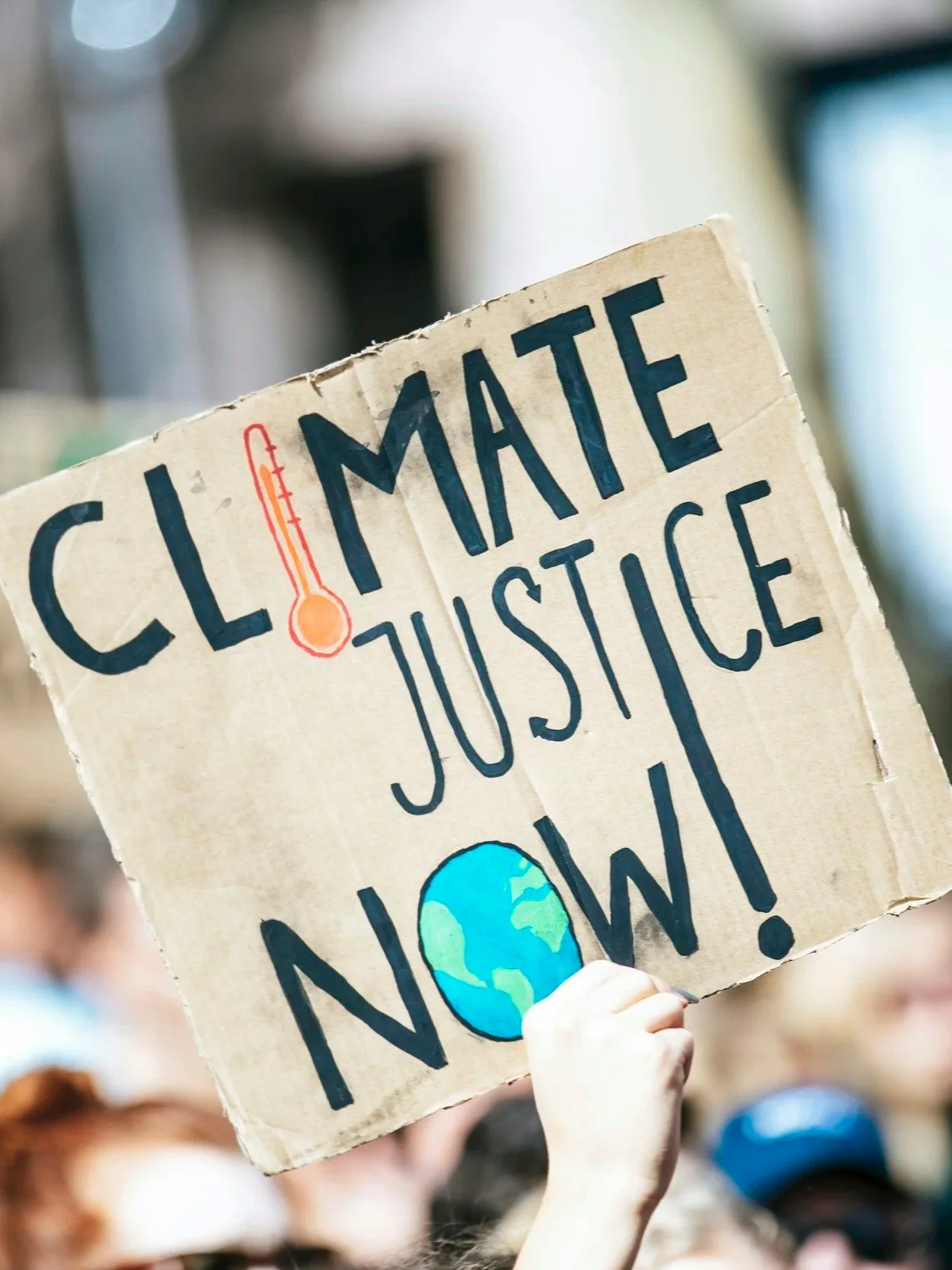
Anthropocene Feminisms
In this upper-level global women’s literature course, students ask the question “Why is climate change a women’s and gender issue?” Students read texts and watch films and lectures by and about women from around the world exploring the intersections of environmental change and gender inequities. Many of these works fall within the genre of climate fiction, and students discuss how these works illustrate connections between women, gender, and climate change, as well as how race, sexuality, marriage, parenthood and caregiving, definitions of family, and questions of power and nation intersect with how people live in a climate-changed world. Texts include Iep Jaltok: Poems from a Marshallese Daughter by Kathy Jetnil-Kijiner, How Beautiful We Were by Imbolo Mbue, and Once There Were Wolves by Charlotte McConaghy.

Blue Humanities
In this upper-level special topics writing course, students explore the field of blue humanities through three units: Creatured Seas, Plastic Seas, and Storied Seas. They read works by scholars and writers including Stacy Alaimo, Melody Jue, Alexis Pauline Gumbs, and Serpil Oppermann. Students practice their critical reading, writing, and research skills throughout, ultimately developing their own research project. Texts include The Man with the Compound Eyes by Wu Ming-Yi and The Mermaid of Black Conch by Monique Roffey.

Writing in the Age of AI
In this upper-level writing course, students study the history of artificial intelligence (AI) technology and its current applications, experiment with AI text generators, and examine the ethical concerns and implications of AI technology. Students learn how AI chatbots draw from vast amounts of data to generate responses to written prompts; evaluate the strengths and weaknesses of AI language-generating and research tools; and practice verifying the authenticity of AI-produced responses and citations. Most importantly, students engage critically with the societal and environmental concerns of using AI, such as cognitive offloading, the replication of racial and gender bias, surveillance capitalism and power, and the environmental impact of AI technologies and data centers. In addition to reading nonfiction by leading researchers and reporters in the field of AI, we also interpret representations of AI in film and in science fiction by authors including N. K. Jemisin, Paolo Bacigalupi, and Allegra Hyde.
In addition to these courses, I have also taught Environmental Literature; Introduction to American Women’s Literature: Women and the Environment; Writing, Reading, Culture; Modern and Contemporary Literature: Climate Change Literature; and an English pedagogy seminar for graduate students.
Prior to teaching at the University of Colorado Boulder, I taught place-based writing and Caribbean literature at The Island School and composition at Sussex County Community College. I also served as an environmental educator at the New Jersey School of Conservation and the Vermont Institute of Natural Science. I have led study abroad programs in Australia for the School for Field Studies, Thailand for National Geographic Student Expeditions, and Jordan for The Experiment in International Living.